E05 · Brewing & coffee around the world
Coffee Brewing Basics
Coffee-to-water ratios, grind size for each method, water at 90–96 °C, extraction time, choosing brewing water and storing coffee properly.
- Coffee knowledge
- About VINACANOFI
- Updated 21 Oct 2026
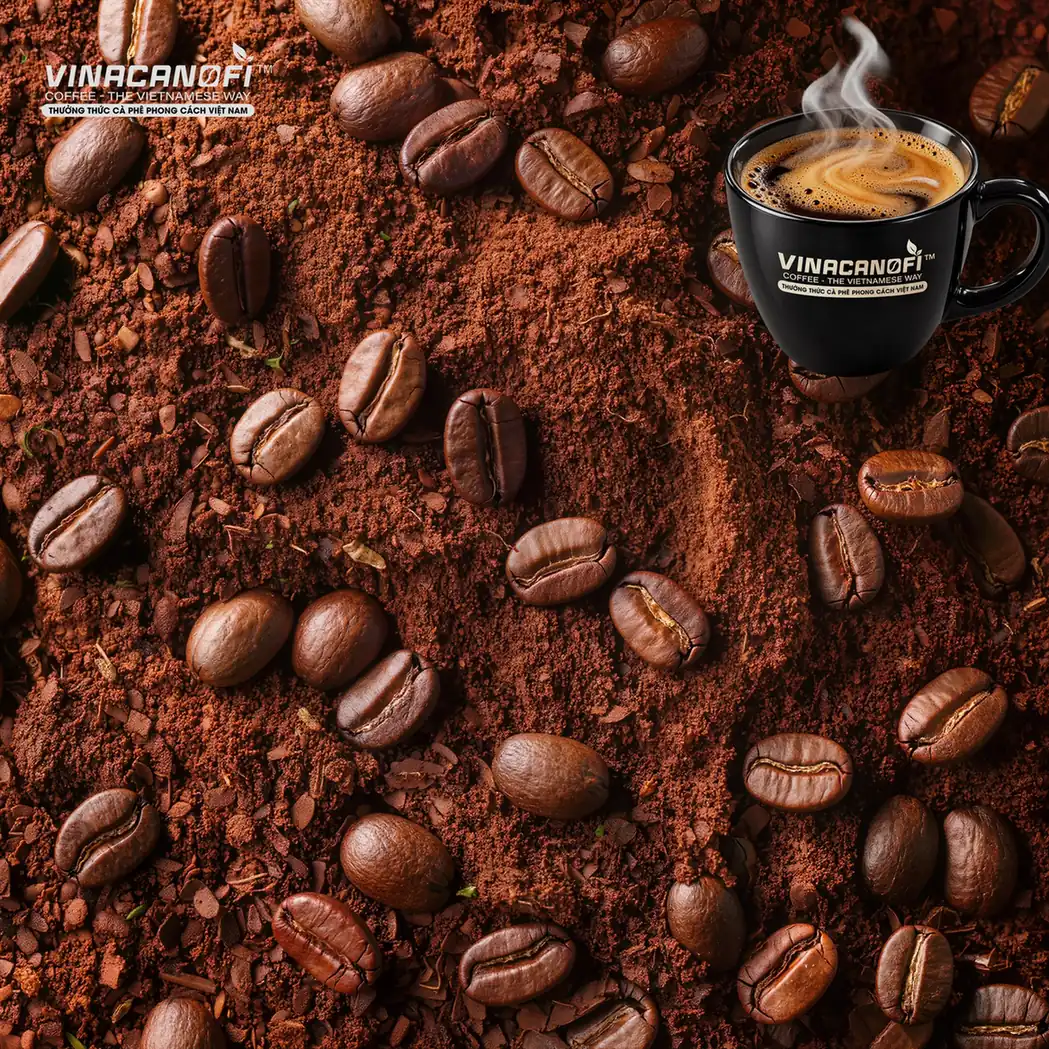
Give two people the same bag of coffee and one may brew a fragrant, balanced cup while the other gets something harsh or flat. The difference is rarely the beans. It is usually a handful of basic numbers: how much coffee, how much water, how hot, how fine the grind and how long the water stays in contact with the coffee.
This article collects the general principles that apply to every brewing method — from phin to pour-over to espresso. Once you understand them, you can adjust any recipe to suit your own taste.
Brewing is really "extraction"
When hot water meets ground coffee, it dissolves and carries away the compounds that create flavour: acids, caramelised sugars, aromatic oils and bitter compounds. They do not dissolve all at once. Acidity and fruity notes come out first, sweetness and body come next, and harsh bitterness comes last.
So the goal is to stop at the right moment:
- Under-extracted: sharp, sour, thin, short finish.
- Well extracted: acidity, sweetness and bitterness in balance, a pleasant finish.
- Over-extracted: harsh bitterness, astringent, drying.
Every technique below is simply a way of controlling this extraction.
Coffee-to-water ratio
This is the first variable to fix. A kitchen scale is far more accurate than a spoon, because dark and light roasts take up different volumes.
| Method | Common coffee : water ratio | Notes |
|---|---|---|
| Pour-over, drip machine | About 1:15 – 1:17 | e.g. 15 g of coffee for 230–250 ml of water |
| French press | About 1:12 – 1:15 | Full immersion, heavier body |
| Phin | About 1:4 – 1:6 | Very strong, usually served with milk or ice |
| Espresso | About 1:2 | e.g. 18 g of grounds for about 36 g of liquid coffee |
| Cold brew (concentrate) | About 1:5 – 1:8 | Diluted before drinking |
If you want a stronger cup, add more coffee rather than just brewing longer — a longer brew tends to make coffee more bitter, not stronger.
Grind size for each method
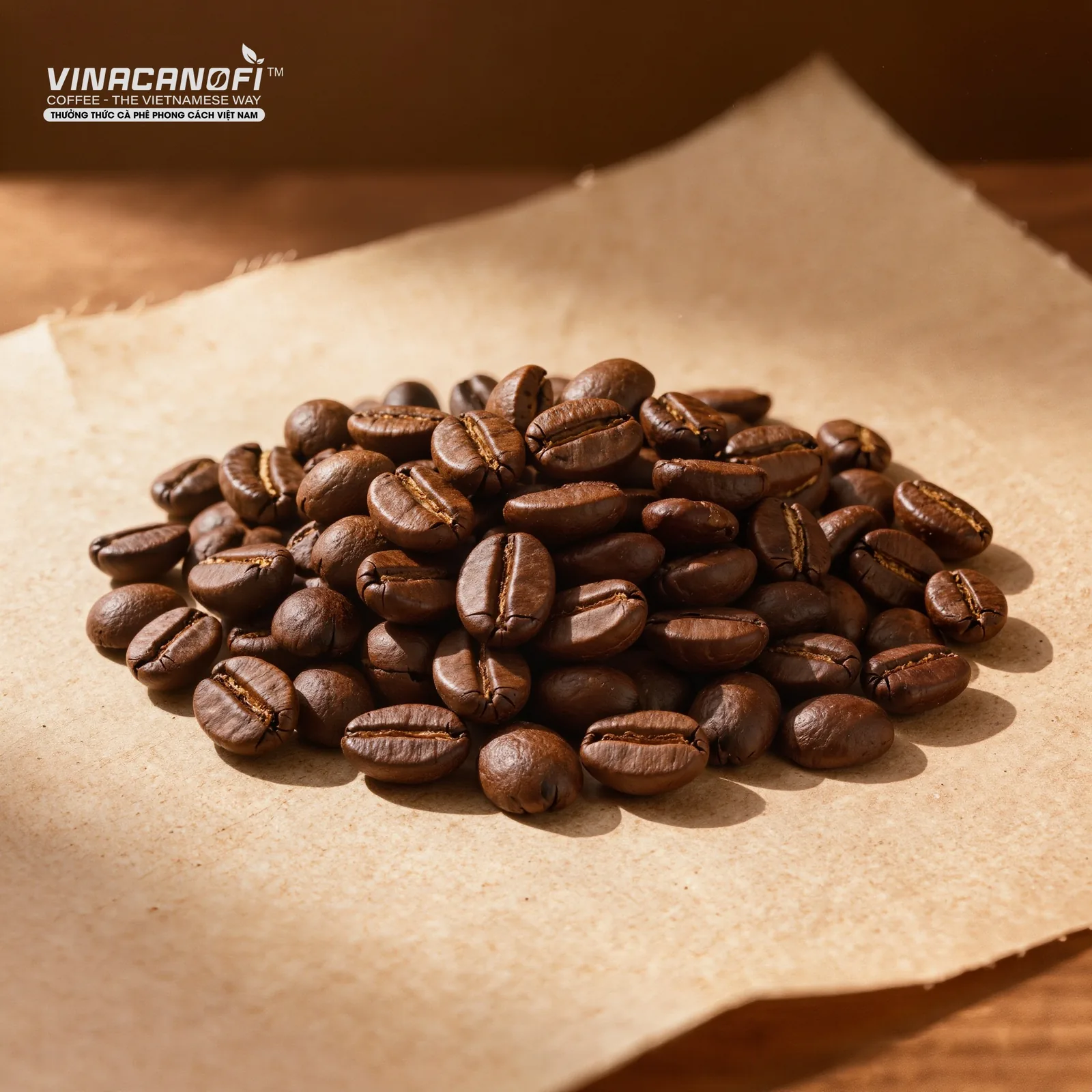
The finer the grind, the larger the surface area and the faster the extraction. An easy rule: the longer the contact time, the coarser the grind.
- Extra fine, like flour: Turkish coffee.
- Fine: espresso, moka pot (moka slightly coarser than espresso).
- Medium-fine: phin. Finer than pour-over so the water drips slowly, but not as fine as espresso or the phin will clog.
- Medium: pour-over, drip machines.
- Coarse, like sea salt: French press, cold brew.
Grind consistency matters too. Blade grinders chop beans into a mix of large and small pieces; the small pieces over-extract while the large ones under-extract. Burr grinders give a more even grind. And grind just before brewing: ground coffee loses aroma much faster than whole beans.
Water temperature and extraction time
The right temperature for hot brewing is about 90–96 °C. No thermometer needed: water that has just boiled and rested for about 30 seconds is close to that. Rolling-boil water tends to make coffee harsh; water below 85 °C often under-extracts, leaving the cup sour and weak.
A few common adjustments:
- Dark roasts dissolve easily and can take slightly cooler water (about 90 °C).
- Light roasts are denser and harder to extract, so they suit hotter water (about 94–96 °C).
Typical extraction times:
| Method | Usual extraction time |
|---|---|
| Espresso | About 25–30 seconds |
| Pour-over | About 2.5–4 minutes |
| French press | About 4 minutes |
| Phin | About 4–5 minutes |
| Cold brew | About 12–24 hours, cold or room-temperature water |
If the coffee runs too fast and tastes sour, grind finer. If it runs too slowly and tastes bitter and harsh, grind coarser. Change one variable at a time so you know what made the difference.
Brewing water — the biggest part of the cup
A cup of filter coffee is about 98% water, so if your water smells odd, your coffee will too. A few simple tips:
- Use clean, odourless water. Tap water that smells of chlorine should be run through a carbon filter or left to stand first.
- Avoid distilled or overly "pure" water: with no minerals, coffee tastes flat and lifeless.
- Very hard water (lots of limescale) makes flavours heavy and leaves deposits in kettles and machines.
Bottled water with a moderate mineral content is an easy option if your tap water varies.
Basic tools and storage
You do not need expensive equipment to brew well. A starter kit usually includes:
- A kitchen scale with 1 g increments (0.1 g is even better).
- A burr grinder, manual or electric.
- A pouring kettle — a gooseneck kettle lets you pour slowly and evenly, very useful for pour-over.
- One brewer you like: a phin, a paper-filter dripper, a French press or a moka pot.
Roasted coffee is a dry food, but its aroma fades quickly. To keep it fresh:
- Buy only what you will use, preferably whole beans.
- Store in an airtight container or bag, pressing out excess air.
- Keep it somewhere cool, dark and dry, away from the stove and sunny windows.
- Don't refrigerate the bag you open every day — it will pick up moisture and odours.
From general rules to each method
Once you understand ratio, grind, temperature and time, every brewing method is just a different combination of the same variables. How the World Enjoys Coffee introduces popular methods from Italy and Japan to Türkiye. And if you would like to start with the method most familiar to Vietnamese drinkers, read The Phin Filter — Icon of Vietnamese Coffee.
Frequently asked questions
How many grams of coffee do I need for one cup?
For pour-over, a common starting point is about 15 g for 250 ml of water (a ratio of roughly 1:15–1:17). A phin brew is much stronger, usually 20–25 g for a small cup. Weighing with a kitchen scale lets you repeat a cup you liked.
Why does my coffee taste sharp and sour, or bitter and harsh?
Sharp, sour and thin usually means under-extraction (grind too coarse, water too cool, brew too fast). Bitter, astringent and drying usually means over-extraction (grind too fine, water too hot, steeped too long). Change one thing at a time.
Should I keep coffee in the fridge?
Not the coffee you use every day. Each time you take it out, cold beans meet warm air and moisture condenses, and beans easily pick up food odours. An airtight container in a cool, dark place is enough.