E36Going deeper
Specialty and Commercial Coffee
What specialty coffee is (80+ cupping points), how it differs from commercial coffee in traceability, processing and value, and why both have a place.
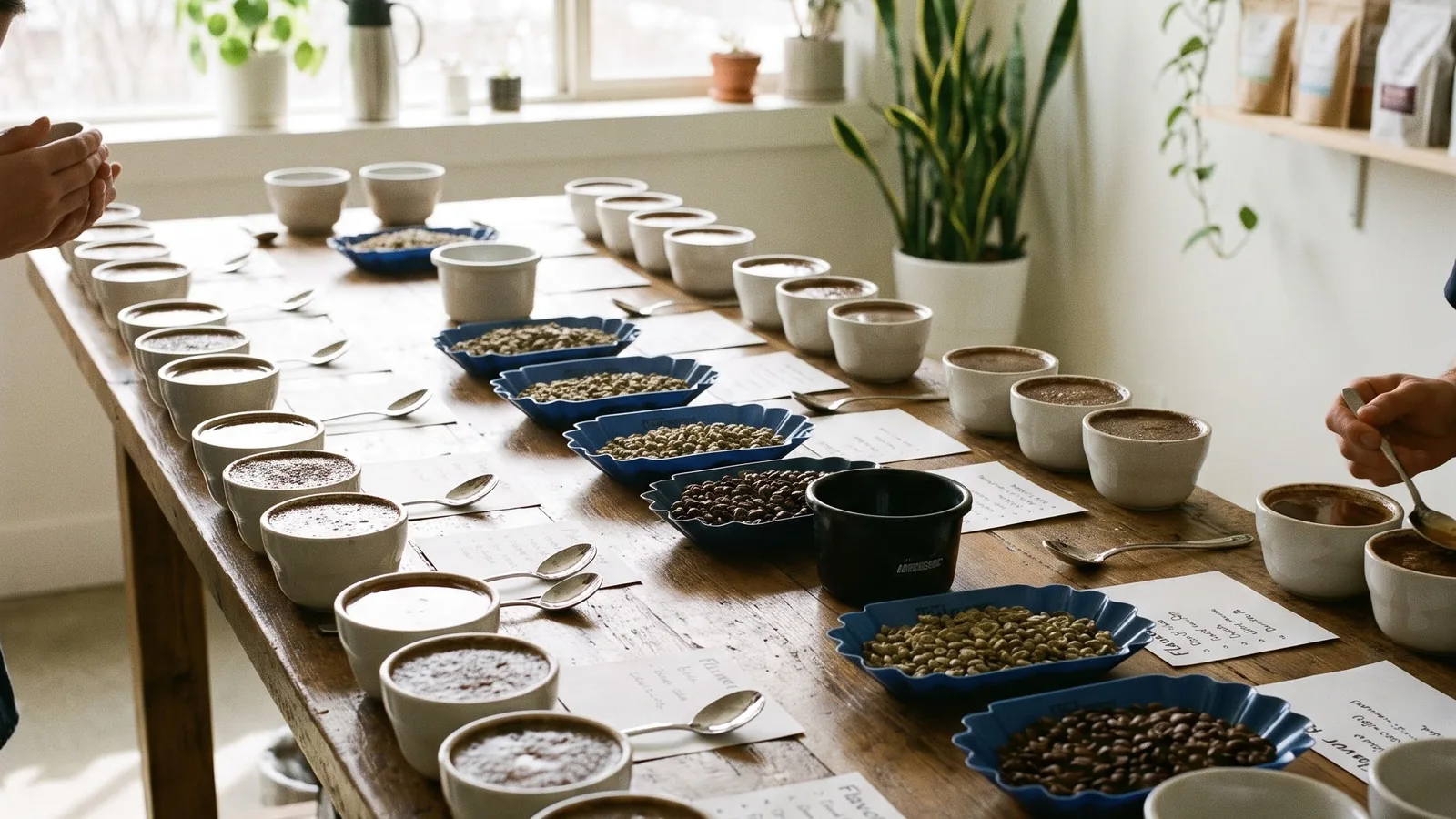
On a coffee shelf you will meet two labels: specialty and commercial. They sound like "premium" and "ordinary", but in practice the two groups serve different needs. Understanding the difference helps you choose coffee that suits your taste and budget instead of chasing a label.
What does specialty mean?
In common industry usage, specialty coffee is Arabica that scores 80 or more out of 100 in cupping (standardized tasting) on the Specialty Coffee Association (SCA) form. Scoring is explained in How to Evaluate a Good Cup of Coffee.
The score is only part of the picture. A specialty lot usually also has:
- few defects (black, insect-damaged or broken beans, foreign matter);
- traceability information: growing area, altitude, variety, processing method, sometimes the farm itself;
- clear, clean flavor with the character of its origin and variety.
For Robusta, the industry uses Fine Robusta, scored on the CQI/UCDA form, to describe a comparable level of quality.
What is commercial coffee?
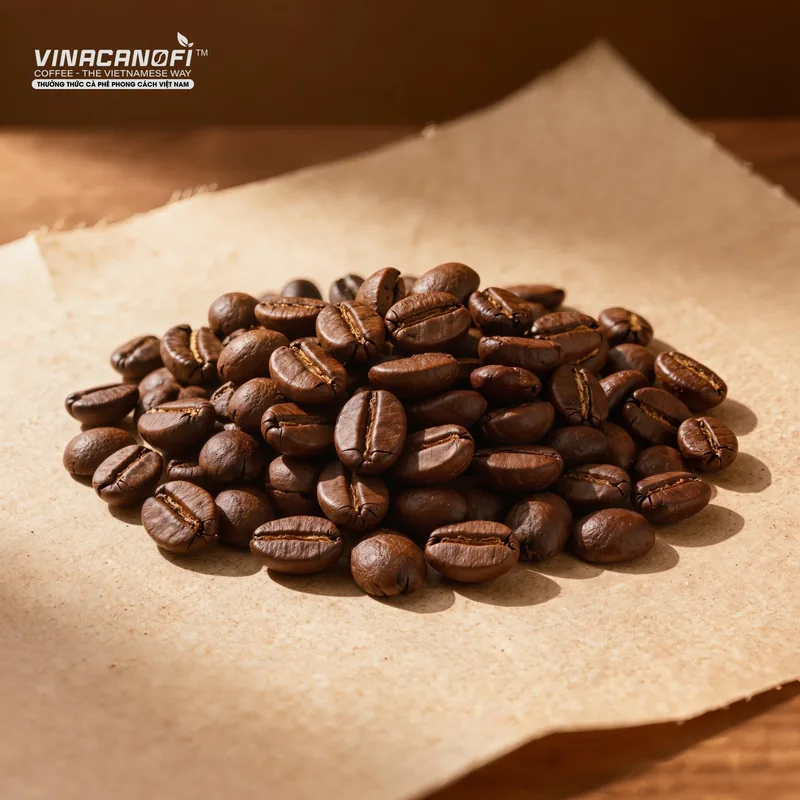
Commercial coffee is the bulk of what is traded and drunk every day. Lots are typically gathered from many sources, graded by screen size and defect count, then sold to market standards. The goal is steady flavor, sufficient volume and accessible cost, so every purchase tastes familiar.
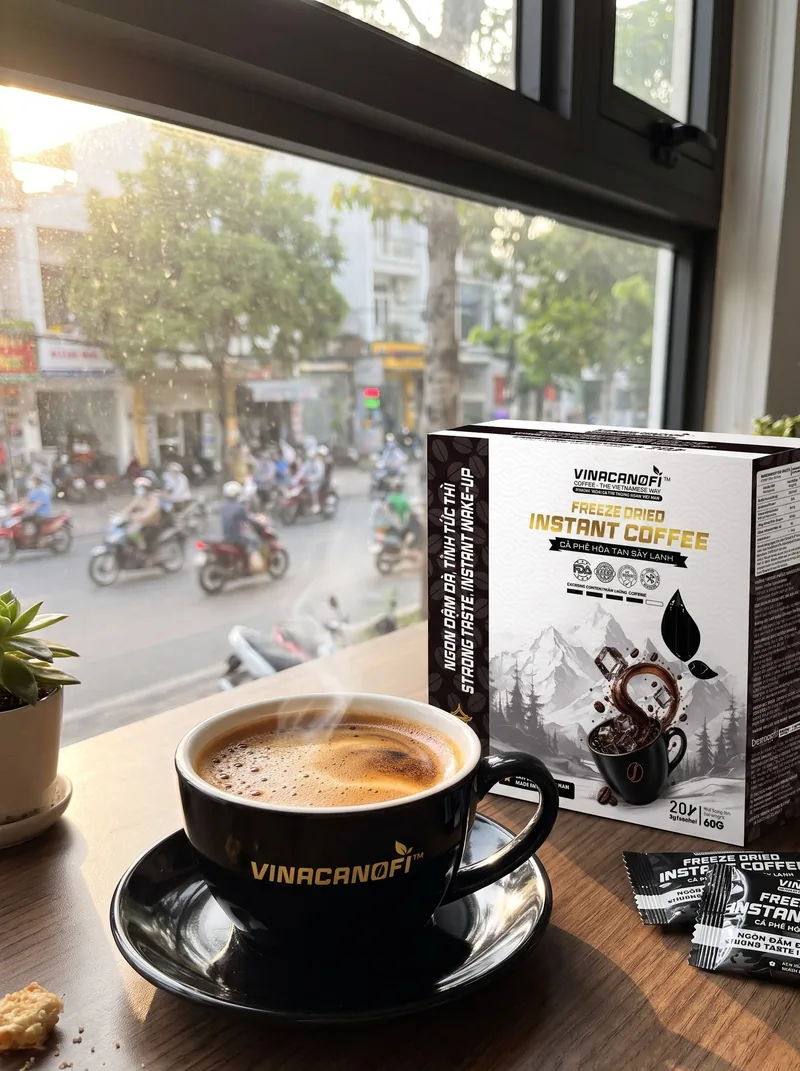
Its cupping scores are usually below 80, but that does not mean it is poor. A strong phin coffee, an iced milk coffee or a morning cup of instant are all familiar uses, and this category plays a very large role.
Where they differ
| Aspect | Specialty | Commercial |
|---|---|---|
| Cupping score | 80/100 and above | Usually below 80 |
| Traceability | Clear: area, altitude, variety, processing | Often blended from many sources |
| Processing | Careful, small-lot control | Large scale, standardized |
| Flavor | Layered, bright, origin-focused | Steady, bold, familiar |
| Typical use | Manual brewing, tasted black | Phin, milk coffee, drinks, instant |
| Production effort | Higher, due to selection work | More accessible |
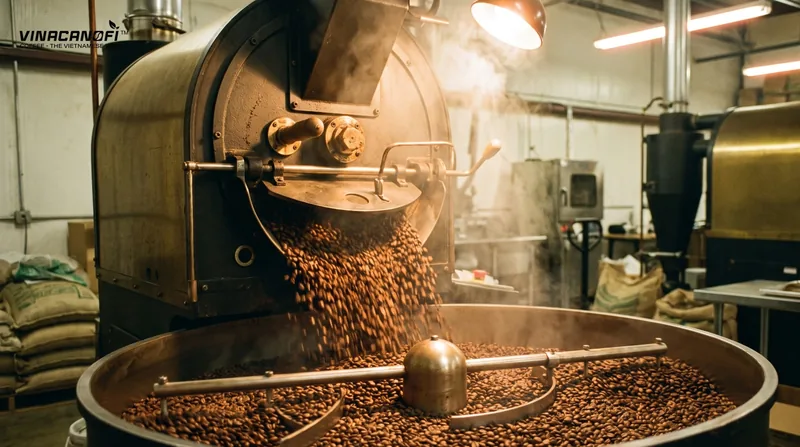
The difference in value comes from labor: picking ripe cherries at the right time, careful processing, close sorting and keeping lots separate. Each step takes extra work and time.
Both have a place
There is no single "right" kind. Specialty suits people who enjoy delicate flavors and want to know where the beans come from. Commercial coffee suits everyday drinking, large-volume drinks, or recipes that call for a rich, bitter, full-bodied taste — like Vietnamese iced milk coffee. One person can easily enjoy both in the same week.
Remember too that a cupping score describes the potential of the bean. The final cup also depends on roasting, storage, freshness and brewing.
How to choose
A few simple tips:
- Ask what you are drinking it for. A slow black cup, or a milky coffee to wake you up?
- Read the bag. Does it state origin, variety, roast date? Clear information is a good sign in either group.
- Taste side by side. Brew two coffees the same way and compare — you will learn what you like.
- Do not trust a single word on a label. A word like "specialty" means something only when backed by a score and verifiable traceability.
Read next
To see which varieties and groups Vietnamese beans fall into, read Coffee Varieties. To understand why processing and roasting shape flavor so much, read From Green Bean to Bag — the Roasting Process.
Frequently asked questions
Is specialty coffee always better than commercial coffee?
Not always. Specialty has higher bean-quality standards and clearer traceability, but "better" depends on taste and brewing. Many people prefer strong, bold coffee for phin brewing over the bright acidity of specialty.
Can Robusta be specialty?
The term specialty under the SCA form applies to Arabica. For Robusta, the industry uses the Fine Robusta label under the CQI/UCDA protocol for a comparable high-quality level.
Is VINACANOFI coffee specialty?
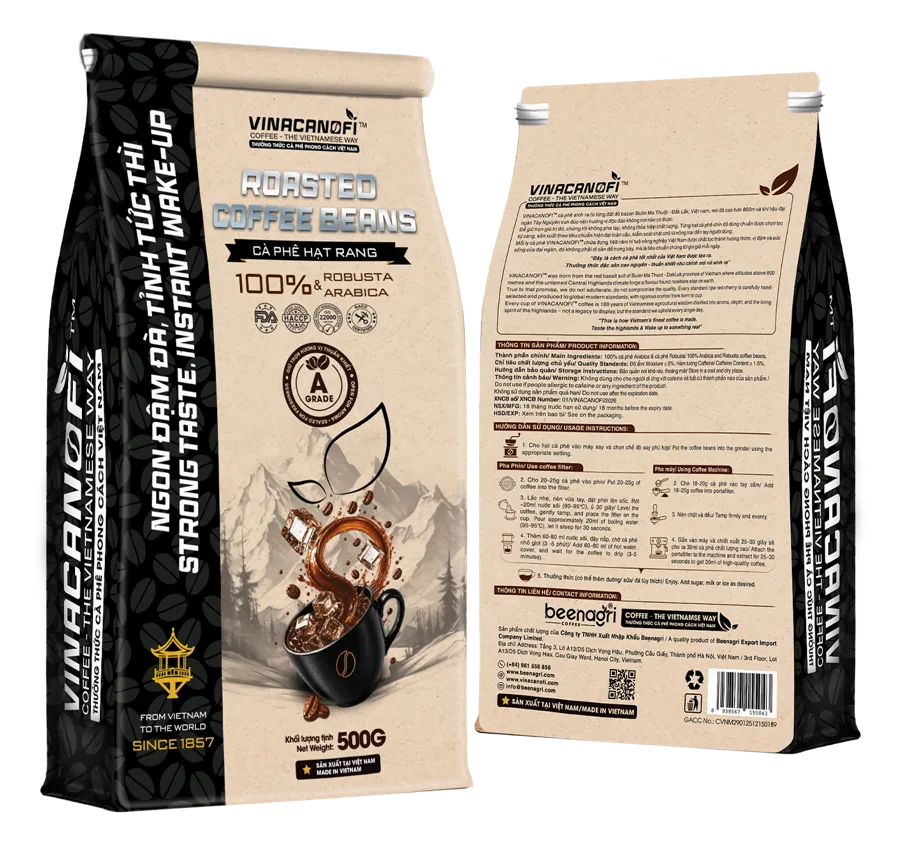
VINACANOFI does not label its finished products as specialty. The cupping scores in this article are for green-bean samples from farm-household lots.