E32Going deeper
A History of Vietnam's Coffee Exports
From the first coffee plants in 1857 to the second-largest position among the world's coffee exporters, and the key milestones of Vietnam's coffee trade.
A cup of coffee brewed thousands of kilometres from Vietnam may well have started on a smallholder farm in the Central Highlands. Getting to that position took almost two centuries and many changes. This article walks through the main milestones.
1857: the first coffee plants
According to commonly cited industry history, coffee was brought to Vietnam in 1857 by French missionaries and settlers. The first plants were Arabica, trialled in the north. At first coffee mainly served French demand and remained small in scale.
The French period: plantations appear
In the early 20th century the French set up coffee plantations in the northern hills and on the central plateaus. They found that the red basalt soils and clear dry season of the Central Highlands suited coffee very well. This laid the foundation for the country's largest growing region today. Robusta and other varieties were also trialled alongside Arabica during this period.
After 1975: reorganisation
After 1975 the industry was reorganised and many state farms were established in the Central Highlands. Coffee was exported mainly under trade agreements among socialist-bloc countries of the time. Production and exports remained modest compared with today.
1986: Doi Moi changes the game
The Doi Moi reforms of 1986 allowed household farming to grow and opened up trade. Farmers could decide for themselves how to plant, tend and sell their crop. From the 1990s, favourable world prices and supportive policies drove a wave of land clearing and planting in Dak Lak, Gia Lai, Lam Dong, Dak Nong and Kon Tum. Area and output rose very quickly, taking Vietnam from a small exporter to one of the largest in about a decade.
A leading exporter, and number one in Robusta
According to the ICO (International Coffee Organization) and USDA, Vietnam is now the world's second-largest coffee exporter, after Brazil, and the largest producer of Robusta. Much of Vietnam's Robusta goes into blends, instant coffee and roast-and-ground coffee in many markets.
| Period | Highlight |
|---|---|
| 1857 | Coffee arrives in Vietnam |
| Early 20th century | French plantations pave the way for the Central Highlands |
| After 1975 | Industry reorganised, state farms |
| 1986 | Doi Moi, household farming grows |
| 1990s onward | Highlands expansion, export surge |
From green beans to processed products
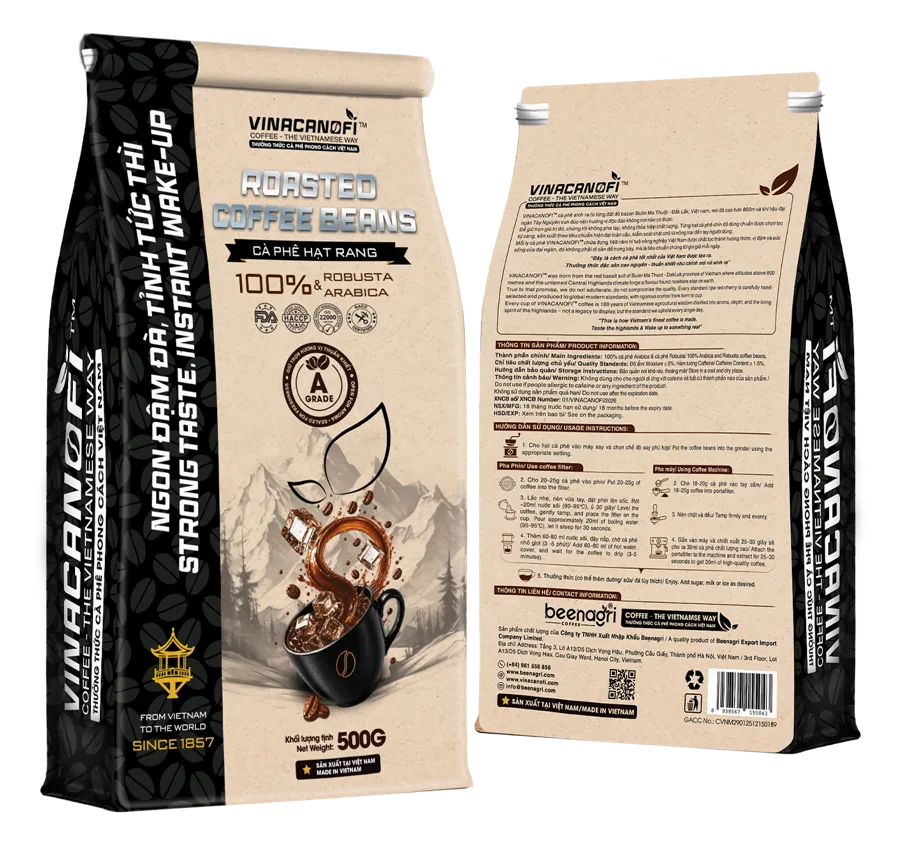
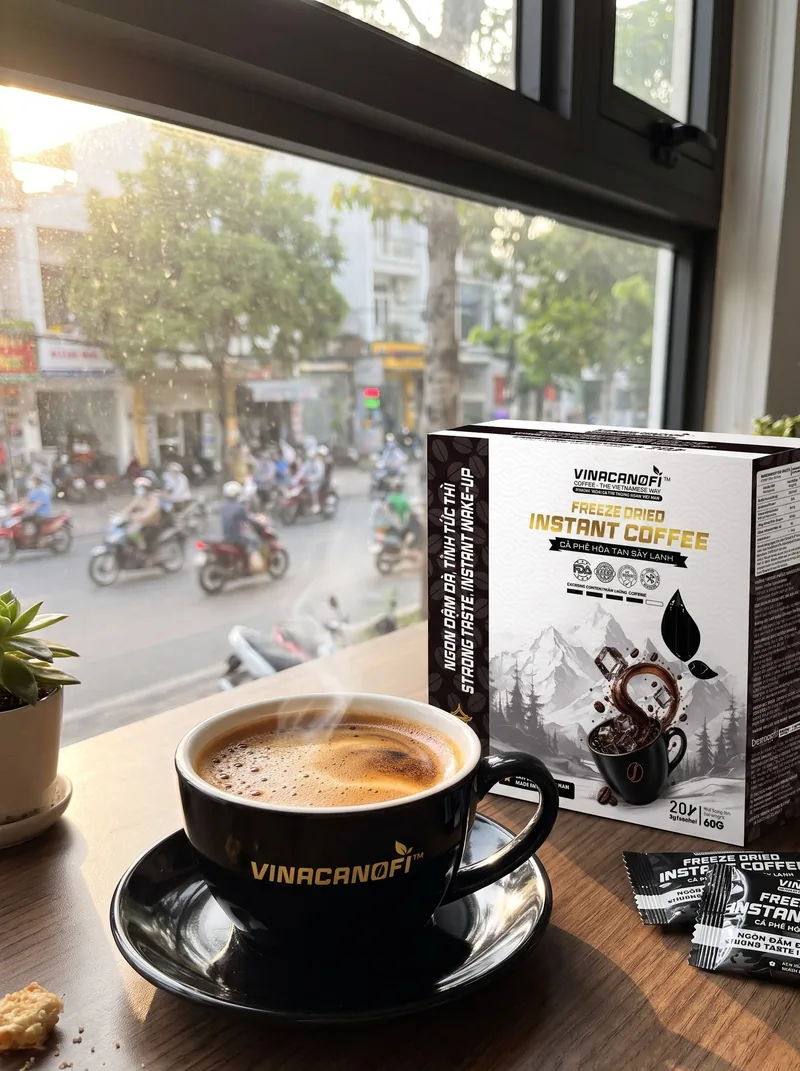
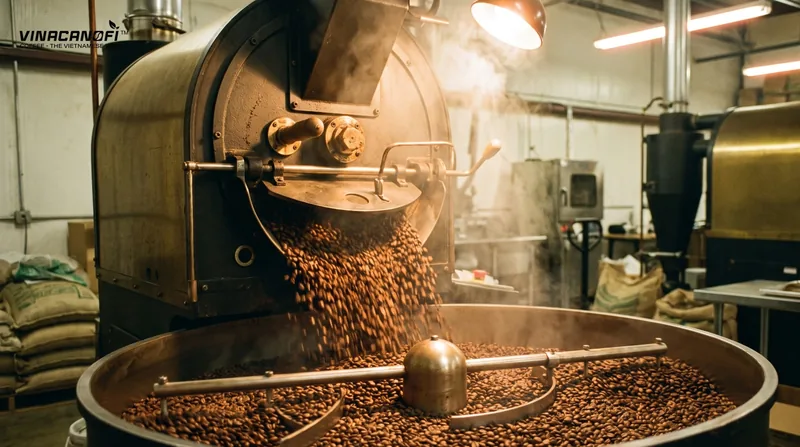
For many years most Vietnamese coffee reached the world as green beans, meaning unroasted. In recent years the industry has paid more attention to deeper processing, such as roasting, grinding, instant and freeze-dried coffee, to add value and bring Vietnamese brands to consumers. Many farms and companies are also giving more attention to quality, traceability and sustainable farming, which international markets increasingly value.
Keep reading
Exports are only one slice of the story. For the full picture, see 168 Years of Vietnamese Coffee, or learn about the two main varieties in Coffee Varieties.
Frequently asked questions
When did coffee arrive in Vietnam?
According to commonly cited industry history, coffee was introduced to Vietnam in 1857, starting with Arabica brought by the French.
Why is Vietnam so strong in Robusta?
Robusta suits the climate and red basalt soils of the Central Highlands, gives high yields and tolerates tougher growing conditions than Arabica, so it became the main variety.
How is exporting green beans different from exporting finished coffee?
Most Vietnamese coffee is exported as green beans to be roasted in the importing country. Roasted, ground and instant coffee are processed products that add more value.