E33Going deeper
Storing Coffee Beans After Opening
Oxygen, light, heat and moisture make coffee lose its aroma fast. How to choose a container and a spot, and why the fridge is usually a poor idea.
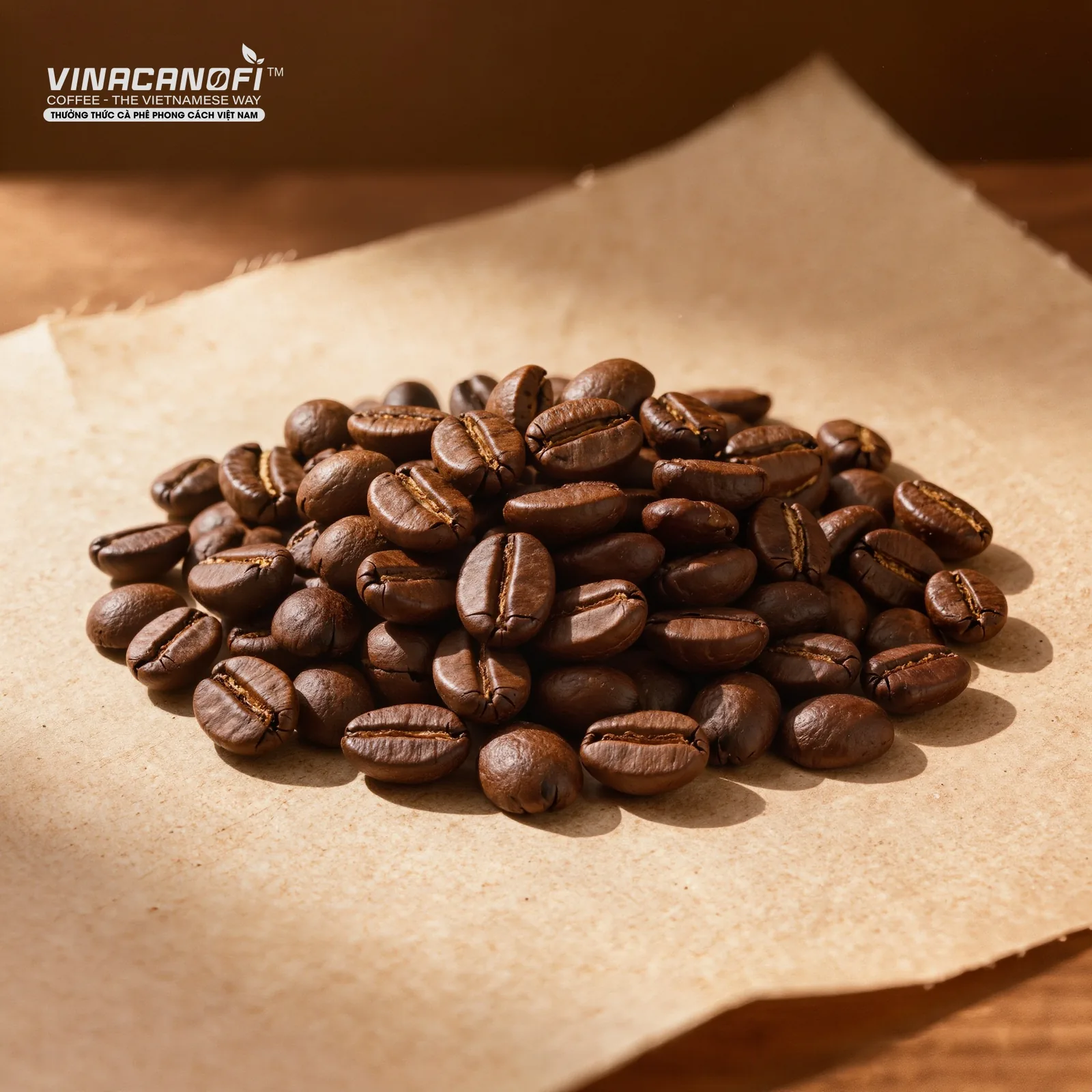
You tear open a bag of coffee and the aroma rises. A few weeks later the same coffee can taste flat, even though it is nowhere near its date. The cause is often not the beans but how they were stored after opening. The good news is that good storage does not need expensive gear.
The four enemies of coffee
After roasting, coffee beans hold aroma compounds that evaporate easily and oxidise readily. Four factors speed this up:
| Factor | Effect | How to limit it |
|---|---|---|
| Oxygen | Oxidises oils and aroma compounds; coffee tastes stale, flat, papery | Seal well, leave little air in the container |
| Light | Speeds up flavour decline | Dark container, keep in a cupboard |
| Heat | Speeds up every reaction that dulls aroma | Keep away from stove, microwave, sunny windows |
| Moisture | Beans absorb humidity, lose crispness, can grow mould | Dry place, never leave the lid off |
Whole beans or ground?
Whole beans keep their aroma longer than ground coffee. Grinding greatly increases the surface exposed to air, so aroma escapes and oxidation happens faster. The best approach is to buy whole beans and grind just enough before brewing. If you buy ground coffee, buy only what you will use in a short time.
Choosing a container and a spot
- Airtight. A rubber gasket or a tight screw lid. Pick a size that fits the amount of coffee, since a big jar means more air.
- Dark or opaque. Clear glass is fine only if it sits inside a closed cupboard.
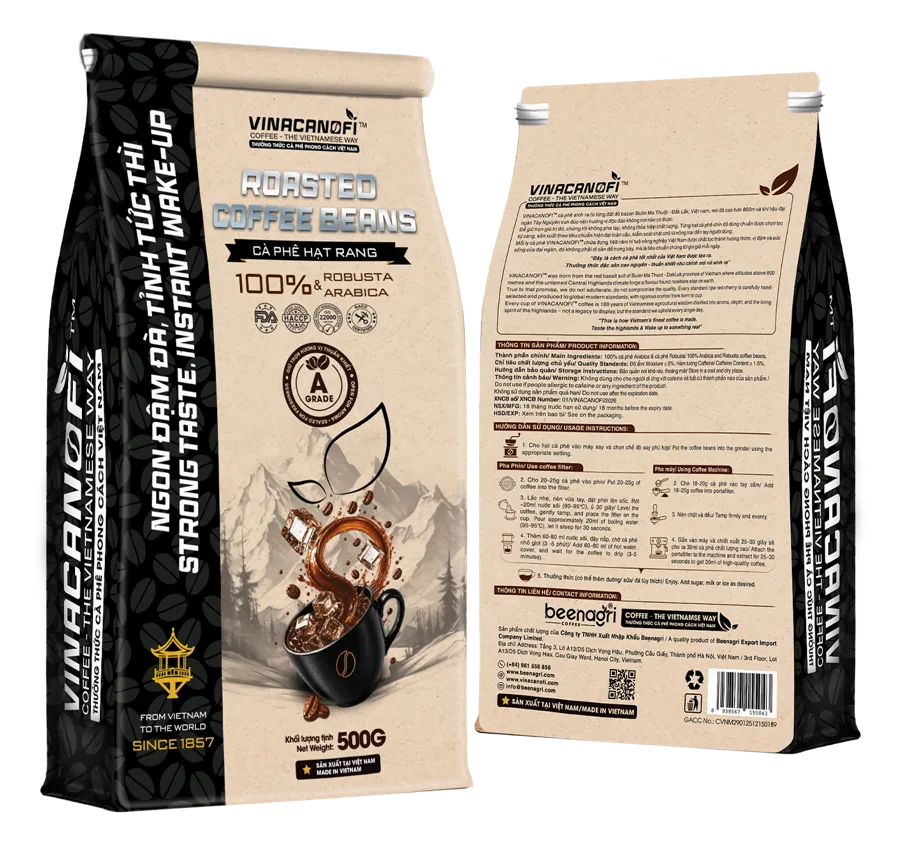
- One-way valve. Many coffee bags have a small valve that lets CO₂ out without letting air in. After opening, you can keep the coffee in its original valve bag, press out the air, roll the top tightly and clip it shut, or move it to an airtight jar.
- Location. A dry, cool cupboard away from the hob, oven and sunlight.
Why not the fridge?
Many people assume cold means longer life. For coffee you use every day, it is usually the opposite:
- Moisture. Each time a cold container comes out, water vapour in the air can condense on the beans and inside the container.
- Odours. Coffee absorbs smells quickly; onions, fish and pickles in the fridge can taint it.
- Repeated opening. Every opening lets in air and humidity.
And the freezer?
If you buy in bulk and will not use the coffee for several weeks, the freezer can work, but only if done properly:
- Split the coffee into small portions, each enough for about a week.
- Put each in a bag or box that is truly airtight, pressing out the air.
- Take out one portion at a time and let it reach room temperature before opening, so no water condenses on the beans.
- Use up that portion and do not refreeze it.
Small habits that help
- Close the lid right after scooping; do not leave the jar open while brewing.
- Use a dry, clean spoon.
- Do not top up old beans with new ones; finish the jar, wipe it dry, then refill.
- Write the opening date on the jar.
- Buy what you will use in a few weeks rather than stockpiling.
Keep reading
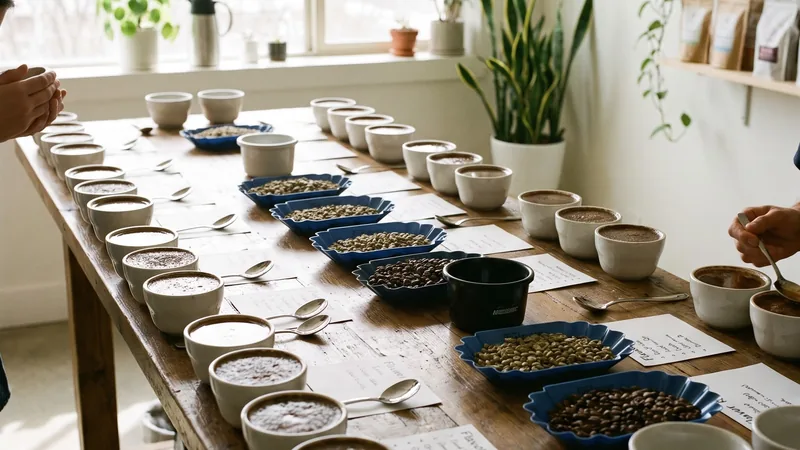
Fresh coffee is only half of a good cup; the rest is in how you taste it. See How to Evaluate a Good Cup of Coffee, or explore coffee varieties to find what suits your taste.
Frequently asked questions
Should I buy whole beans or ground coffee?
Whole beans keep their aroma longer because less surface touches the air. If you can, grind just before brewing.
Should I keep coffee in the fridge?
Usually not. The fridge is humid and full of food odours, and each time you open the container, moisture can condense on the beans.
Can I use the freezer?
Only if you split the coffee into small portions, seal them very tightly and take out one portion at a time to use up, never refreezing.