E39Going deeper
Common Brewing Mistakes and How to Fix Them
Sour, bitter or weak coffee? A symptom, cause and fix table for common brewing mistakes: water temperature, grind, ratio, timing and equipment.
A good cup does not need expensive equipment. Most disappointing coffee comes from a handful of familiar mistakes, and nearly all of them can be fixed on the very next brew. This article goes through each one, with a "symptom → cause → fix" table for quick reference.
The core idea: under- and over-extraction
When you brew, water gradually pulls compounds out of the grounds: sourness and aroma first, sweetness in the middle, bitterness and astringency last (see Brewing Basics). If the water takes too little, the cup tastes sharply sour, thin and lacks sweetness. If it takes too much, the cup tastes harshly bitter, astringent and drying. Every mistake below pushes the cup toward one of those two sides.
Symptom, cause and fix
| Symptom | Common cause | Fix |
|---|---|---|
| Sharply sour, thin, lacking sweetness | Water too cool; grind too coarse; brewing too fast; too little coffee | Use hotter water; grind finer; extend the time; add coffee |
| Harsh, bitter, astringent, drying | Water too hot; grind too fine; brewing too long; too much coffee | Let the water rest after boiling; grind coarser; shorten the time; reduce coffee |
| Weak, watery | Too much water for the coffee | Add coffee or cut the water to your chosen ratio |
| Strong, heavy, harsh | Too little water for the coffee | Reduce coffee or add water |
| Stale, flat, papery or rancid-oil taste | Beans roasted long ago or stored unsealed | Buy only what you will use, grind just before brewing, see Storing Coffee Beans |
| Off flavors, lingering smell, unpleasant aftertaste | Dirty equipment with old coffee oils; strongly scented tap water | Wash equipment after every use; use odor-free filtered water |
| Different every time | Measuring by feel | Use a scale and a timer; write the recipe down |
The usual suspects, in more detail
Water temperature. Roasted coffee is commonly brewed with water at about 90–96 °C. Water straight off the boil can pull out too much bitterness; water that is too cool pulls out too little. A simple habit: turn off the heat, wait about a minute, then pour.
Grind size. The finer the grounds, the faster and more fully water extracts. Each method needs its own grind: fine for espresso, medium for a paper filter, coarse for cold steeping (see Cold Brew and Espresso). If the cup is too bitter, grind coarser; too sour, grind finer.
Coffee-to-water ratio. This is the most overlooked mistake. A common starting point for filter coffee is roughly 1 part coffee to 15–17 parts water by weight, then adjust to taste. Scoops are only approximate; a digital scale gives repeatable results.
Timing. Too fast under-extracts, too slow over-extracts. With a Vietnamese phin, if the water runs through almost instantly, the grind is too coarse or the coffee is not pressed enough; if it drips for a very long time, the grind is too fine or pressed too hard (see The Phin Filter).
Dirty equipment. Old coffee oils on a phin, a dripper or the grinder gradually turn rancid and spoil the next cup. Rinse thoroughly and let everything dry after each use.
Stale beans. Beans opened for many days, especially once ground, lose aroma quickly through contact with oxygen. Whole beans keep longer than ground. Grinding just before brewing is the simplest way to improve flavor.
Water. Tap water with a chlorine smell, or very mineral-heavy water, changes the taste of coffee. If your drinking water already smells odd, your coffee will too; use odor-free filtered water.
With instant coffee
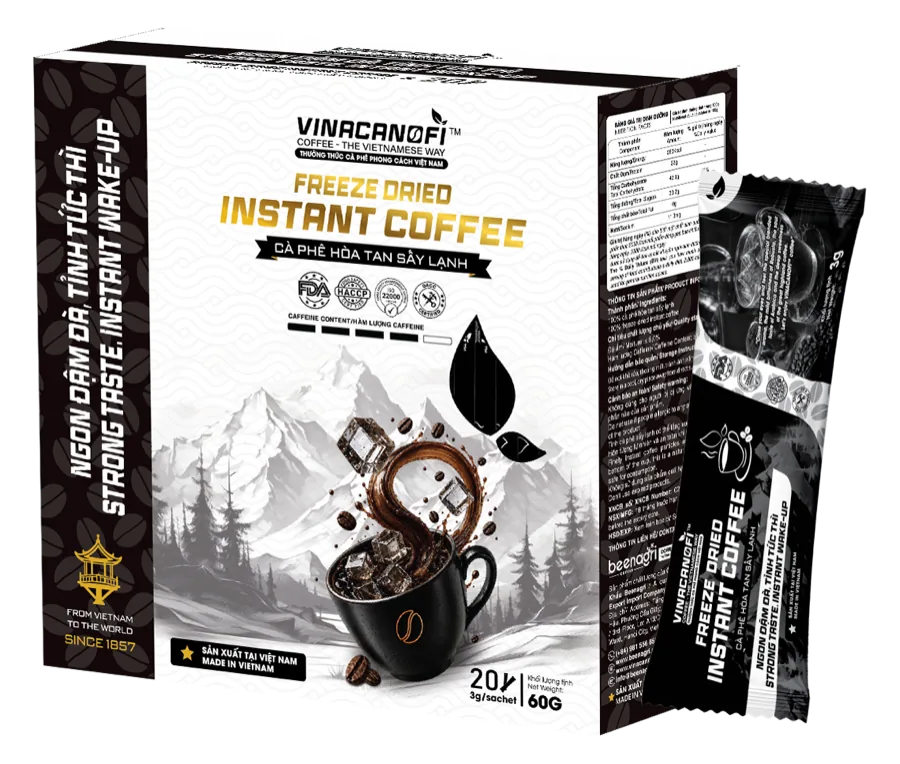
Instant coffee has fewer steps, but two things can still go wrong: the amount of water and its temperature. Too much water makes a weak cup; too little makes it strong and harsh. The safest approach is to follow the directions on the pack, then adjust slightly to taste. The same goes for VINACANOFI Freeze-Dried Instant Coffee: follow the directions printed on the pack.
Change one thing at a time
When a cup is not right, do not change many things at once. Pick one variable — usually grind or ratio — adjust it slightly, taste again and take notes. After a few tries you will have your own recipe. To taste more methodically, read How to Evaluate Good Coffee.
Frequently asked questions
Why is my coffee always bitter?
Common causes are a grind that is too fine, a brew that runs or steeps too long, water that is too hot, or too much coffee. Try a coarser grind or a shorter time, changing one thing at a time.
Can I brew with boiling water?
Water straight off the boil is often too hot for roasted coffee. Many people let it rest for about a minute after boiling (roughly 90–96 °C) before pouring.
My instant coffee is weak or harsh. What should I do?
Check the amount and temperature of the water and follow the directions on the pack. More water makes it weak; less water makes it strong and harsh.